Showing posts with label date. Show all posts
Samsung Galaxy Mega 6.3: A Specifications Review
Every now and then Samsung will throw a curve ball at its competitors. Count the Galaxy Mega among those. What was initially thought to be one phone turned out to be two variants under the same name. The Galaxy Mega 6.3 has a 6.3-inch display (duh!) and the other variant comes with a 5.8-inch display and is aptly called Galaxy Mega 5.8.
Both phones will feature Android 4.2 Jelly Bean and dual-core processors, but there are some changes in the specs sheets on either side. For the purpose of this specifications review, we will be focusing on the Galaxy Mega 6.3. Let’s get going. OS – Android 4.2 Jelly Bean with TouchWiz UI That the Mega 6.3 comes with Android 4.2 Jelly Bean is heartening to see in an age when software updates are becoming thinner by the day. However, the latest version of Android has been covered up by TouchWiz's bright, and peppy UI. There are some nifty additions to the interface, which Samsung claims will improve the overall user experience. The homescreen has a cleaner design now and looks less cluttered. The app drawer looks the same as it did on the Galaxy S4, and the cosmetic changes in Samsung’s flagship have been retained in Mega 6.3 as well. The Settings page, for example, now has a tabbed interface, which is a great way to quickly spot what you want to change, instead of scrolling and trying to find the right setting. Samsung has taken Air View and Smart Stay to the next logical step and enhanced their functionality. However, we can foresee users getting confused by the plethora of software features in the phone. Thankfully, they are easily accessible through the two-finger drag on the notification bar. Galaxy Mega will also get the Multi-Window mode that was first seen in the Galaxy Note 2. We expect many of the other features such as S Translator, the bevy of camera apps and the S Health app from the S4 to make an appearance in the Galaxy Mega as well. 
The display is easily the biggest attraction of the Mega 6.3
Cellular connectivity – LTE and 3G (HSPA+) The Samsung Galaxy Mega 6.3 comes with LTE connectivity, but if your region has no 4G infrastructure, it will still support HSPA connectivity. The phone supports Cat 3 LTE, so theoretically you will get download speeds of up to 100Mbps and 50Mbps for uploads. Display – 6.3-inch TFT capacitive display; resolution of 1280 x 720 pixels Of course, with a name like Mega, the smartphone has a giant display. The 6.3-inch display is the largest we have seen on a mainstream smartphone, and it dwarfs the Galaxy Note 2 comfortably. The display has a 720p resolution, which means a pixel density of around 233 ppi. Form factor – Only slightly refreshed Samsung has stuck to the redesigned Galaxy S4 body as a blueprint for the Galaxy Mega 6.3. The smartphone adopts angular lines on the sides, while the slightly rounded bends give it an elegant look. Despite its massive footprint, the Mega cuts a pretty, if somewhat plain, picture. The back of the phone has a very subtle cross-hatch pattern and the sides are covered by a faux-metallic material. We would have preferred actual aluminium, but it would have added greatly to the 199 g bulk. However, despite being slightly heavy, the Mega 6.3 is a very slim device with a depth of 8 mm. All in all, we can’t find many details that look out of place on the device and it should feel like home for Samsung aficionados. Wi-Fi – Packed to the gills In this department, Samsung has thrown in everything that’s top of the line in terms of wireless connectivity. The Galaxy Mega supports Wi-Fi 802.11 a/ac/b/g/n bands along with support for dual-band Wi-Fi. Multimedia content can be sent to your TV thanks to the DLNA, while Wi-Fi Direct can be used to share files with other phones on the same network. SoC – Exynos 5250, dual-core 1.7GHz CPU with Mali-T604 GPU Potential buyers of the Galaxy Mega can expect superb performance from the dual Cortex-A15 cores. The much-talked about Exynos 5410 Octa processor will not be seen here, but the replacement Exynos 5250 is no slouch either. You would have seen the processor being used for the Google Nexus 10 tablet, which was also made by Samsung. The dual-core CPU is clocked at 1.7GHz and it’s coupled with the Mali-T604 GPU. The Galaxy Mega has also been endowed with 1.5GB of RAM.
Internal storage – Two variants with microSD card slot
Users can get either the 8 or 16GB-toting Galaxy Mega and as usual, you will find a microSD card slot to expand the storage up to a further 64GB. That should be more than enough space to load up high-definition movies for viewing on the large display. 
Despite the large display, Samsung has managed to keep the Galaxy Mega 6.3's waistline down to 8 mm
Cameras – 8 megapixel primary camera and 1.9 megapixel front-facing camera While Samsung chose to endow the Galaxy S4 with a 13 megapixel camera, the Mega gets an 8 megapixel unit, which sounds very much like the module used on the Galaxy S3. Despite being a 2012 camera module in a way, the camera should benefit from all the imaging features that Samsung will be packing into the camera firmware. There’s an LED flash along with the primary camera, which should help in low light situations, but don’t expect miracles. Other features include touch focus, face and smile detection, and HDR mode for shooting stills. The front-facing camera is a decent 1.9-megapixel, which should be more than enough for video calls and the odd self-portraits. Details about the maximum video resolution of the front-facing camera have not been revealed. Sensors – The usual suspects The Samsung Galaxy Mega 6.3 has the usual accelerometer, gyro, proximity, compass and ambient light sensors. GPS Samsung has been including GLONASS support for a long time now and the Galaxy Mega also benefits from the chip. Along with Assisted GPS, the maps experience on the Galaxy Mega should be great, especially with all that screen real estate. Location lock times will be drastically lower, thanks to the GLONASS support. NFC Galaxy Mega has an NFC chip, which is becoming increasingly prevalent in all manner of devices. It is an essential component in mobile payments and can also be used to establish connections between devices and consequently to share files over Wi-Fi Direct. Battery – Li-Ion 3200 mAh battery Thanks to that large display, the Galaxy Mega 6.3 comes with a generous 3200 mAh battery, which sounds like a dream. Given the specs of the phone, we can safely say that the smartphone will be on for most of the day, unless your average use scenario is watching high-definition videos endlessly. The back of the Galaxy Mega is removable, so you can replace the battery any time you want. 
The 8-megapixel camera is a holdover from the Galaxy S3 era
The bottom line The Galaxy Mega 6.3 will please those who are looking for a Note-like device, but without the added baggage of the S-Pen or the higher price. The large display is a great point in favour of the Mega 6.3. Indeed, from the looks of it, it seems a worthy second fiddle to the Galaxy Note and could very well repeat the success of the Samsung Galaxy Grand in the big phablet segment. If priced between Rs 25,000 and Rs 27,000, the Galaxy Mega 6.3 seems like a winner and could be an attractive alternative to potential phablet buyers. Overall, thanks to the Galaxy S4-like design, the massive displays and large battery capacities, the Galaxy Mega 6.3 sounds like a great proposition on paper. |
Nokia Lumia 520 Review
For users looking at smartphones in the budget segment, clunky and underpowered Android phones have been the only option till now. Sure, Nokia had a few Windows Phone 7 devices too but the OS was half baked and it was pretty hard to recommend them to users.

While Nokia has primarily pushed its Asha range or the older Lumia 510 in the budget segment, the launch of the Lumia 520 at Mobile World Congress means that they now have a solid smartphone contender in the category. Great hardware and an OS that is finally worthy of being called a smartphone OS means that the Nokia Lumia 520 is a solid contender in the budget segment. Does it stand a chance against the barrage of cheap Chinese rebranded smartphones ? Read on to find out.
Unboxing
We’ve previously unboxed the Lumia 520 and you can check out the original post here. We’ve embedded the video below for your perusal.
The contents of the package include the following :
- Nokia Lumia 520
- Earphones
- microUSB cable
- microUSB charger
- Documentation
Design
It would be safe to call the design of the Lumia 520 conservative. It doesn’t stray much from the formula that Nokia has adopted for its Lumia range of devices. Smooth curves and high quality materials greet you when you first hold the device. The dimensions of the Lumia 720 are 119.9 x 64 x 9.9 mm and it weighs a meagre 124 grams.

The front of the phone has a 4inch WVGA screen with the standard Windows Phone buttons located at the bottom of the device. The buttons do not light up which we’re guessing is a part of Nokia’s cost cutting measures on the device.

The right side of the handset sports the volume rocker, power key and the camera button. Tactile feedback from the buttons is excellent with an audible click on pressing them. The two stage camera key in particular is a joy to use. The top of the phone has a 3.5mm audio jack while the micro USB port can be seen at the bottom of the device. The back is where things get a bit interesting. The smooth, soft matte finish material used feels great in the hand. A 5MP camera can be seen towards the top. There’s no provision for an LED flash which will be a disappointment to those who’d like their phone to double as a flashlight.
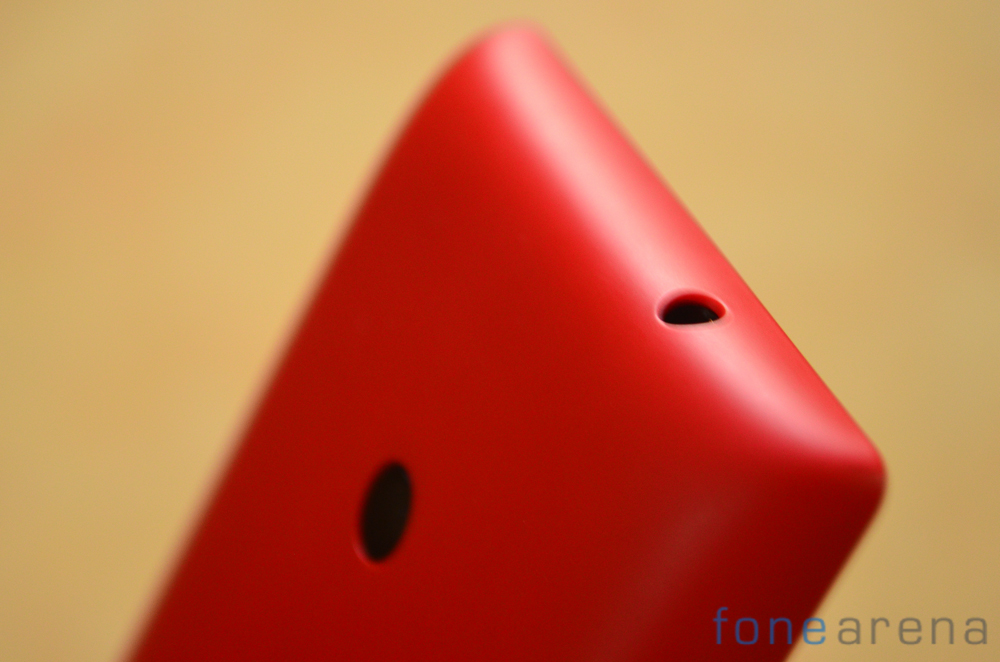
Overall while the handset won’t be winning any design awards, it make for a solid handset which fits really well in the hand. We particularly loved the material used at the back of the phone. We were a bit disappointed to see that Nokia hadn’t used its nifty dualshot system here as seen first on the Lumia 620. That said, its possible to exchange the back cover to give your device a new color and look.
Display
The screen on the Lumia 720 is a 4″ WVGA IPS panel with a pixel density of 233 ppi. While the colors are pretty vibrant, black levels aren’t very satisfactory especially compared to the Lumia 620 which has a ClearBlack panel.

Viewing angles aren’t the widest and sunlight visibility leaves a lot to be desired. You’ll want to be extra careful with the handset as it does not have a Gorilla Glass equipped screen which means that it is just that much more prone to scratches. We were surprised to find out that the Lumia 520 has the Super Sensitive Touch technology that Nokia pioneered on its Lumia 920 and 820 handsets. What this entails is that you can use the handset even while wearing gloves. Might not mean much in a country like India but is extremely useful for anyone living in colder climates.
Camera
A 5MP camera unit has been placed at the back of the Lumia 520 and is capable of capturing video in up to 720p. The lens is not of the Carl Zeiss variety as seen on higher end Lumia devices.

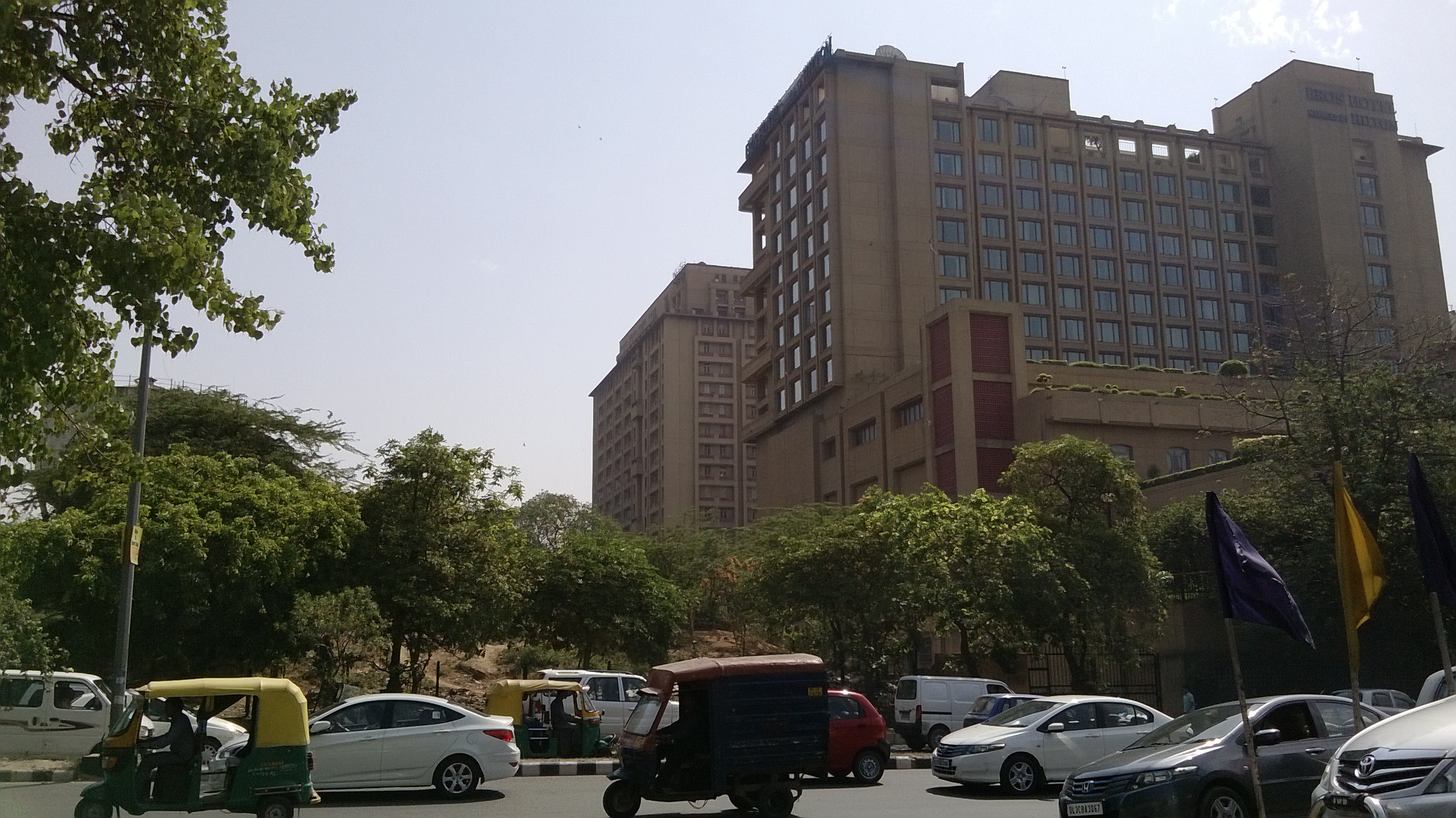
Daylight performance is acceptable with just a hint of noise visible in dark areas. The limited dynamic range is obvious as you can see how the foreground tends to be a bit too dark. Windows Phone 8 will be well served by an HDR mode in the default camera app and we sure do hope that Microsoft is listening.
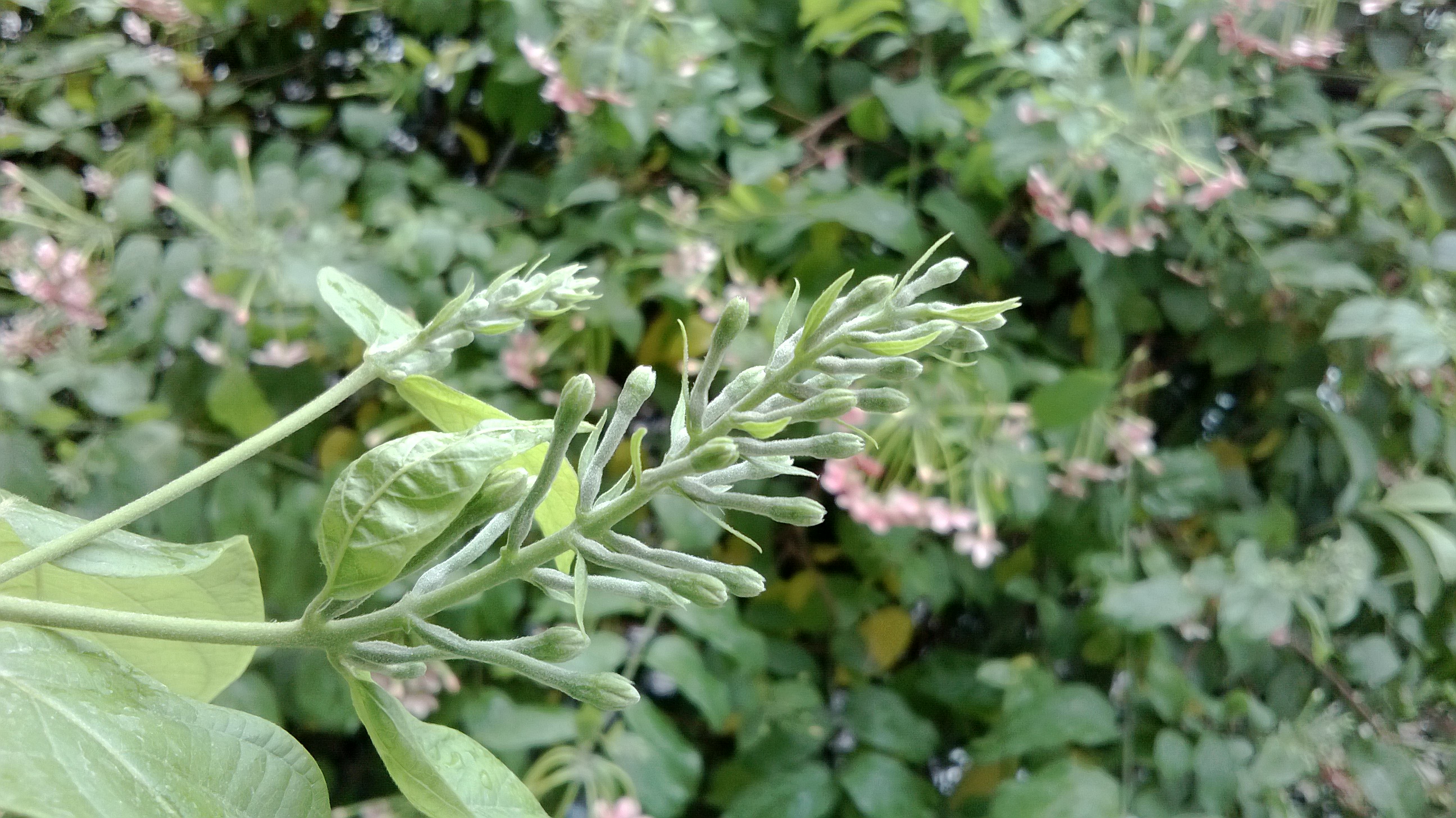
Macro performance too is commendable though a bit of a hit or miss. You might have to struggle to get a focus lock at times but results tend to be good.
Indoor shots are where noise levels become particularly visible. The lack of a flash means that it is impossible to take a shot in extremely low light and the camera has major issues with getting a focus lock.

The camera on the Lumia 520 is surprisingly good for a device in its category. No, it won’t blow you away but it’ll get the job done as long as the lighting is decent.
Software
We had done an in depth Windows Phone 8 review at launch and we’ll refer you to the same article if that is what you are looking for. The Windows Phone 8 interface as you probably know is in the form of tiles which can now be arranged in three different sizes ie small, medium and large.
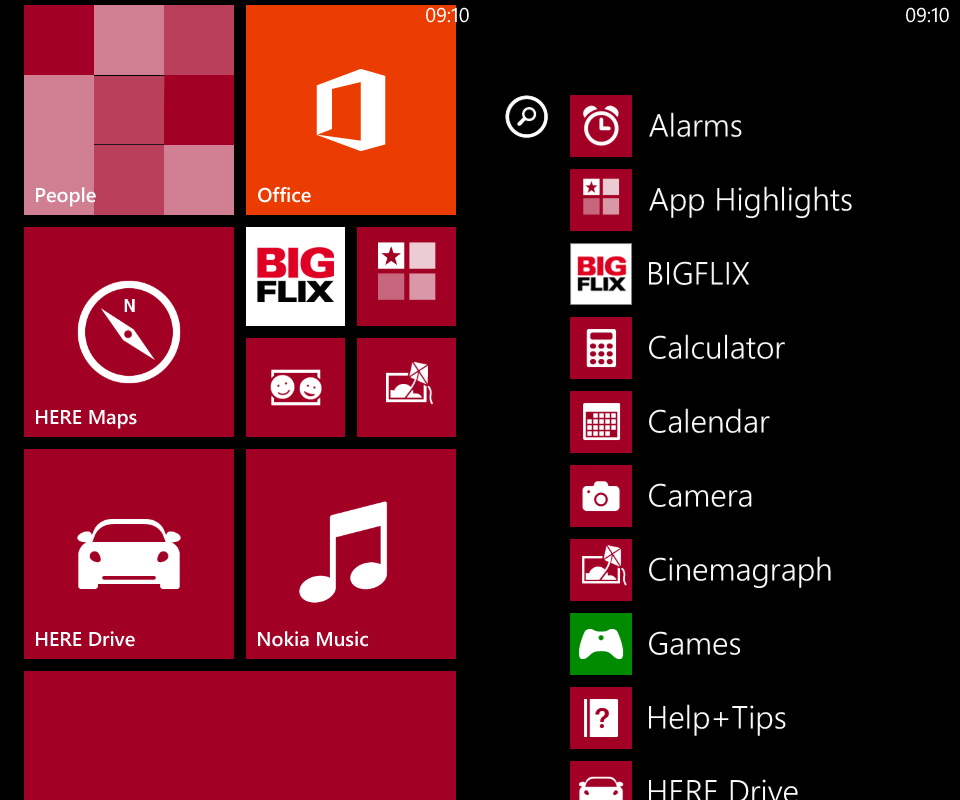
These dynamic live tiles dominate what can be termed as the ‘homescreen’ of the phone while a simple swipe from the right brings forth the applications menu. Performance is blistering fast with nary a lag in the interface. Seriously, there is absolutely no competition with entry-mid range Android device in terms of day to day performance of the device with Windows Phone 8 being one of the slickest operating systems out there. Over and above the standard Microsoft app package, you get Nokia’s offerings like HERE Maps, HERE Drive, HERE city lens, Nokia Music, Nokia MixRadio , Cinemagraph, Smartshoot, and also a BigFlix application with three months of free service. With Windows Phone 8, Microsoft made great strides to bridge the gap with the competition and has added several widely requested features though the implementation is often lacking. What is still the Achilles’ heel of the operating system is its app catalog or lack thereof. The omission of Google apps and support in addition to being late to the party with most apps makes it a dark horse in the eyes of the discerning app junkie. Do check out the entire Windows Phone 8 review for a better look at the operating system.
Performance
The lack of standard benchmarking tools for Windows Phone 8 means that our review of the phone’s performance is more on the basis of feel and our real life usage instead of cold numbers that might not be indicative of actual performance. Windows Phone 8 is one of the lightest and most well optimized mobile operating systems out there capable of delivering excellent performance on even fairly low end hardware. The problem lies in the relatively low amount of RAM included in the phone. The 512MB of RAM is enough for day to day usage but proves to be a limiting factor in providing 100% app compatibility. Games in particular suffer due to their high RAM usage and so a small number of games might not be available to users of the Lumia 520. Temple Run is unfortunately one of the more popular games that suffers because of this.
Battery Life
The 1430 mAh battery pack on the Lumia 520 is rated for 9.6 hours of usage on 3G and this figure tends to be fairly accurate according to our testing. Average usage should result in about a day of battery life though you’ll definitely have to charge it over night.
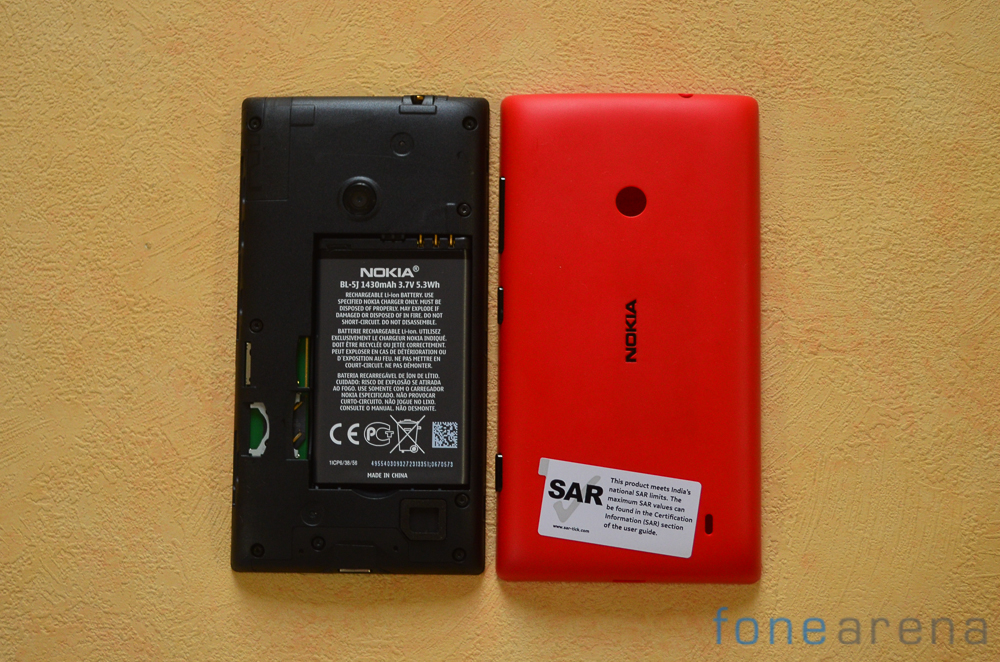
Heavy users will have to be careful but do have the option to swap out the battery in case it gets depleted during the day.
Connectivity & Call Quality
Being a Nokia phone, the Lumia 520 never faces signal strength issues and has remarkably good voice quality. However it does not feature the dual microphone noise cancellation seen on the Lumia 620. Connectivity options include the standard WiFi and Bluetooth. Windows Phone 8 added support for Bluetooth file transfers so you’ll be able to share image, audio files and more via bluetooth.
Conclusion
The Lumia 520 is the best phone that you can buy at the Rs. 10,000 price point. No, it does not have every app under the sun but the essentials are covered and it provides a quick, stress free smartphone experience with no hint of a lag. You also get Nokia’s legendary build quality and a wide of range of exclusive apps. If you still want to take a look at the competition you can check out the Xperia E that we recently reviewed or the Micromax Canvas 2. The Lumia 520 however gets our vote for best budget smartphone.
Pros
- Decent camera
- Quick performance
- Great hardware quality
Cons
- No front camera
- No LED flash
- 512MB RAM
Airtel can continue 3G Intra-circle roaming, but cannot add new 3G customers in 7 circles, says SC

supreme Court has ordered Bharti Airtel not to extend its 3G Intra-circle roaming services to new customers in the 7 circles, where it did not have licences for 3G spectrum, according to a report from The Economic Times. Airtel got a temporary relief earlier this week, when Supreme Court allowed them to continue their 3G intra-circle roaming till April 11th. Last month DoT had asked Bharti Airtel to stop 3G services in 7 circles and asked them to pay Rs. 350 crore (Rs. 50 crore per circle) for illegal roaming pact with Vodafone and Idea . Delhi High Court temporarily stalled the execution of DoT’s order until the final hearing, after Airtel appealed against it.
Last week Supreme Court rejected a plea by Bharti to immediately hear its appeal against the Delhi High Court order on Thursday. Last week DoT had asked Vodafone India and Idea Cellular to stop 3G services outside their licensed zones in 3 days, and asked them to pay Rs. 550 and Rs. 300 crores, for violating licence norms and ordered Airtel to shut down 3G services within 24 hours in 7 circles.
Airtel has been accused by Reliance Communication and the Department of Telecommunications (DoT) of providing 3G services to customers in circles where it did not have licence.
The bench would hear Airtel’s appeal in a detailed hearing on May 9th 2013. Till then, Airtel cannot enroll new customers in these 7 circles including, Haryana, Maharashtra, Uttar Pradesh (East), Kolkata, Gujarat, Kerala and Madhya Pradesh, but they can continue providing 3G services to the existing customer base.


